
Yes, many recurring bills are negotiable, including internet, phone, cable, utilities, subscriptions, and even medical charges. The best first move to negotiate bills is to gather your account details, recent statements, and a competing offer or documented error, then call or chat and make one clear request, like a retention discount or a hardship adjustment. If you’d rather hand this off, a paid billing advocate can help with complex or multiple accounts, though fees cut into your net savings.
TL;DR:
- Set a walk away number before calling, and try midmorning on a weekday, when retention agents may have more flexibility to approve discounts.
- If frontline support refuses a discount, ask for the retention or loyalty team, then request a supervisor if that team cannot approve credits.
- Eligible households may receive up to $9.25 monthly through Lifeline, but only one benefit is allowed per household, with annual recertification required.
- For medical bills, request an itemized statement and assistance, compare interest free plans with financing, and check protections for qualifying out of network emergency care.
- Verify discounts by calling the number on your bill or provider website, and reject gift card payment demands, which the FTC identifies as scams.
Table of Contents
- Quick pre-call checklist: what to gather, timing, and your BATNA
- Exact call and chat scripts: starter lines, escalation wording, and scam verification
- Which bills to target first and the levers that work for each bill type
- Rules and cautions that change your approach
- When to hire a bill negotiation service or billing advocate and how to vet one
- Negotiation as a repeatable money habit
- How we can help you put these savings to work
- FAQ
- Sources
Quick pre-call checklist: what to gather, timing, and your BATNA
A little prep turns a nervous phone call into a short, productive conversation to negotiate bills. Give yourself 10 to 20 minutes before you dial.
- Pull your account number, recent statements, and dates of service so you’re not fumbling mid-call.
- Document any billing error with screenshots or saved emails, since providers respond faster to specifics than complaints.
- Take a screenshot of a competitor’s pricing page or a promotional offer you’ve seen advertised.
- Check whether you qualify for assistance programs like Lifeline, an employer or military discount, or charity care for medical bills.
- Decide your BATNA (your best alternative if the call goes nowhere) before you pick up the phone: switching providers, canceling, or accepting a temporary credit.
Set a walk-away number in your head before you start talking. Once you know the lowest offer you’ll accept, you won’t get talked into settling for less.
Pro Tip: Call during a slower period for the retention team, like mid-morning on a weekday, when agents often have more flexibility to approve discounts.
Exact call and chat scripts: starter lines, escalation wording, and scam verification
Having a script in front of you to negotiate bills keeps the conversation focused and prevents you from accepting the first “no.”
- Open with your goal. Try: “I’d like to review my account for a lower rate. My account number is [X], and I’m hoping to match a $[X] promotion I found.” Stating a single, specific ask works better than a vague complaint.
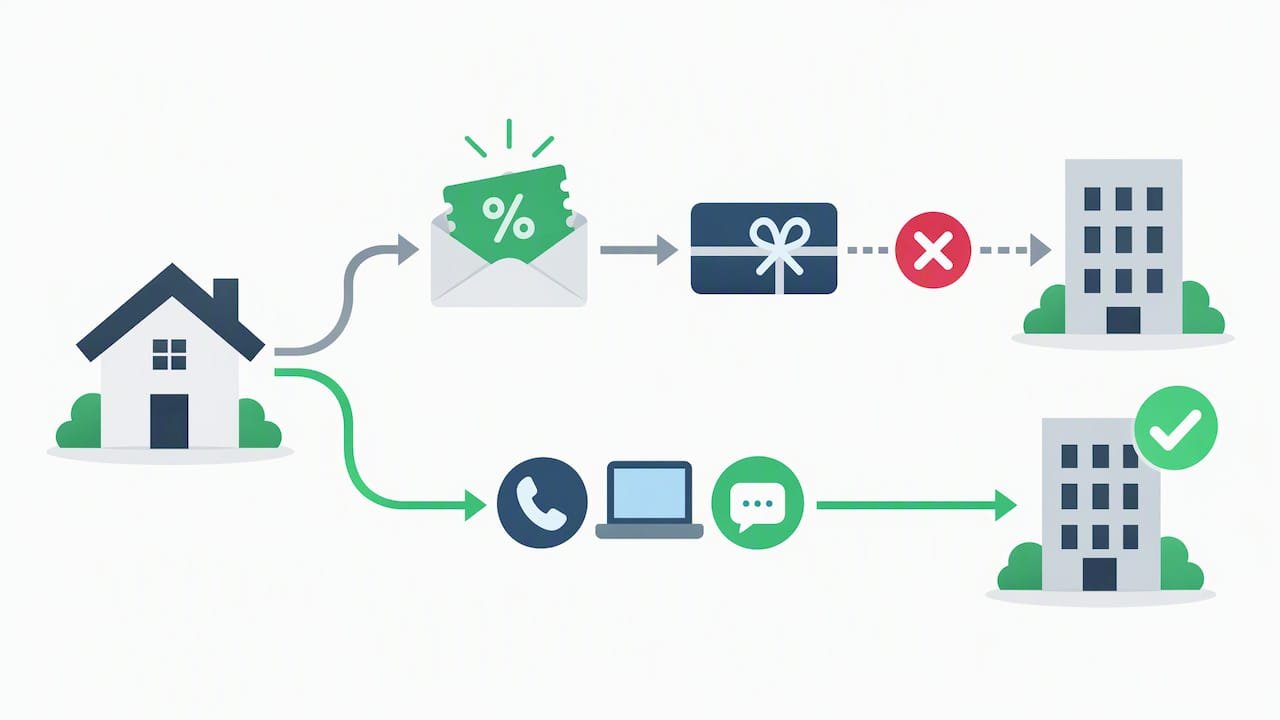
- Push for a retention offer. If the first answer is no, ask directly: “Can you transfer me to the retention or loyalty department? I’m considering switching providers.” Retention teams typically have more room to offer credits than frontline support.
- Ask for fee waivers or promotional credits. A simple line works: “Is there a current promotion or loyalty credit you can apply to my account?”
- Request a supervisor if needed. Say: “I understand you can’t approve this. Can I speak with a supervisor who might have more flexibility?”
- For medical bills, start with the paperwork. Ask for an itemized bill, check whether you qualify for financial assistance, and propose either a lump-sum settlement at a reduced rate or an interest-free payment plan. The CFPB advises requesting an itemized bill, checking for errors, and asking about financial assistance or interest-free plans before considering higher-cost credit.
- Verify any offer before you accept it. Ask for the agent’s name and a confirmation number, then call back using the official customer service line listed on your bill or the provider’s website, not a callback number the agent gives you.
Pro Tip: Write down the date, agent name, and confirmation number for every call. You’ll need it if the promised discount doesn’t show up on your next statement.
Never agree to pay a deposit or confirm a “special discount” through a gift card. The FTC warns that unsolicited offers requiring gift-card payment are scams, and any legitimate discount can be verified directly with the provider.
Which bills to target first and the levers that work for each bill type
Not every bill responds to the same approach. Knowing the right lever for each type saves you time and improves your odds to negotiate bills.
- Internet and phone: Ask about current promotions, bundle discounts, and loyalty credits, and check your eligibility for Lifeline before assuming you don’t qualify.
- Cable and streaming: Request a downgraded package, a retention discount, or a few free months instead of canceling outright.
- Utilities: Ask about budget billing to smooth payments, payment plans, conservation programs, and how end-of-year reconciliation works before enrolling.
- Insurance: Ask about bundling discounts, safe-driver or usage-based pricing, and loyalty credits for staying with the same carrier.
- Medical bills: Request an itemized statement, ask about financial assistance, and propose an interest-free plan; if your bill involves out-of-network emergency or facility-based care, ask whether balance billing may be limited under federal protections.
- Subscriptions: Cancel anything unused, and ask about a lower tier or annual pricing on the ones you keep.
If your medical bill involves a surprise repair after an accident or weather damage to your car, a resource like Deductibleassist’s guide to auto claim steps walks through deductible-assistance options and payment plans that work alongside insurance negotiation.
Rules and cautions that change your approach
A few protections and warnings are worth understanding before you negotiate, especially around medical bills and phone or internet discounts.
If your bill involves unexpected out-of-network emergency or facility-based care, the No Surprises Act generally limits what you owe to in-network cost-sharing amounts for qualifying situations starting January 1, 2022, and shifts much of the dispute into a process between your insurer and the provider rather than a call you make alone.
As of March 3, 2026, Lifeline discounts of up to $9.25 monthly (with larger amounts for eligible Tribal-land subscribers) are available to income- or program-eligible households, and only one Lifeline benefit is allowed per household.
That figure comes from the FCC’s Lifeline program page, which also outlines the annual recertification rules you’ll need to follow once enrolled.
Be cautious with medical financing offers that carry deferred interest. The CFPB advises comparing a provider’s own interest-free payment plan against any credit product before signing up, since deferred-interest terms can retroactively apply if you don’t pay in full on time. And if anyone demands payment by gift card or pressures you to act immediately, treat it as a scam and verify the offer through the provider’s official number.
When to hire a bill negotiation service or billing advocate and how to vet one
Negotiating on your own works for most routine bills, but a paid advocate can make sense in specific situations to negotiate bills.
- Consider hiring help if you’re short on time, facing a complicated medical debt with multiple providers, or juggling several accounts at once.
- Understand the fee model first. Some advocates charge a flat fee, others take a percentage of what they save you; calculate your net savings after fees before agreeing to anything.
- Check for a written scope of work that spells out exactly what the advocate will do and for how long.
- Ask about references or anonymized case examples so you can gauge whether their results match your situation.
- Confirm the refund or cancellation policy before you pay anything up front.
Pro Tip: Treat any advocate who asks for full payment before doing any work, or who pressures you toward an unconventional payment method, as a red flag.
Negotiation as a repeatable money habit
We think of bill negotiation less as a one-time win and more as a habit worth repeating every year. The real payoff comes from treating your recurring bills the way you’d treat any other part of your budget: reviewed, tracked, and adjusted on a schedule rather than left on autopilot.
Keep a simple log of what you saved, who you spoke with, and the confirmation number for each call. That record makes your next renegotiation faster and gives you leverage if a promised discount doesn’t appear on your statement.
How we can help you put these savings to work
Once you’ve trimmed your bills, the harder part is making sure those savings actually stick instead of quietly disappearing into everyday spending. Our step-by-step budgeting guide walks through the habits that help you track where every dollar goes, including the ones you just freed up.

If you’d rather start with a full framework, our financial management plan gives you a simple structure for scheduling annual bill reviews and logging the outcome of each negotiation alongside your other money goals.
| What you do | Where it fits |
|---|---|
| Negotiate a lower bill | Call/chat scripts above |
| Track the savings | Financial Management Plan |
| Build the habit long-term | Smart Budgeting Habits |
Read the guide, pick one habit to start this week, and set a reminder to revisit your bills again in 12 months.
This article is general information, not a substitute for advice from a qualified financial advisor. Consult a qualified financial professional about your own circumstances before acting on anything here.
FAQ
How can I negotiate debt?
Start by contacting the creditor or collector directly, since the CFPB notes that collectors cannot ask you to pay amounts you don’t actually owe. Ask about a reduced lump-sum settlement or an interest-free payment plan, and get any agreement in writing before you send payment.
What is meant by discounting bills?
Discounting a bill means a provider agrees to reduce the amount you owe, either through a one-time credit, a promotional rate, or a reduced settlement on a past-due balance. It’s a common outcome of a successful negotiation call, especially with retention departments or medical billing offices.
Which bills can be negotiated?
Internet, phone, cable, streaming subscriptions, utilities, insurance, and medical bills are all commonly negotiable. Each responds to a different lever, like retention discounts for cable and internet or financial assistance programs for medical charges.
What’s the best way to negotiate bills?
Prepare your account details, a competing offer, or documented error, then make one clear, specific request rather than a vague complaint. If the first representative can’t help, ask to be transferred to a retention department or a supervisor, since they typically have more authority to approve discounts.
Sources
- Lifeline program updates — Federal Communications Commission
- Discounted phone, TV, or internet services if you pay with a gift card? No — it’s a scam — FTC
- What should I do if I can’t pay a medical bill? — Consumer Financial Protection Bureau




[…] again is real. The loan only helps if the cards stay quiet. If cash flow is tight, our guide to negotiating your bills can free up room in your budget to put toward the […]